
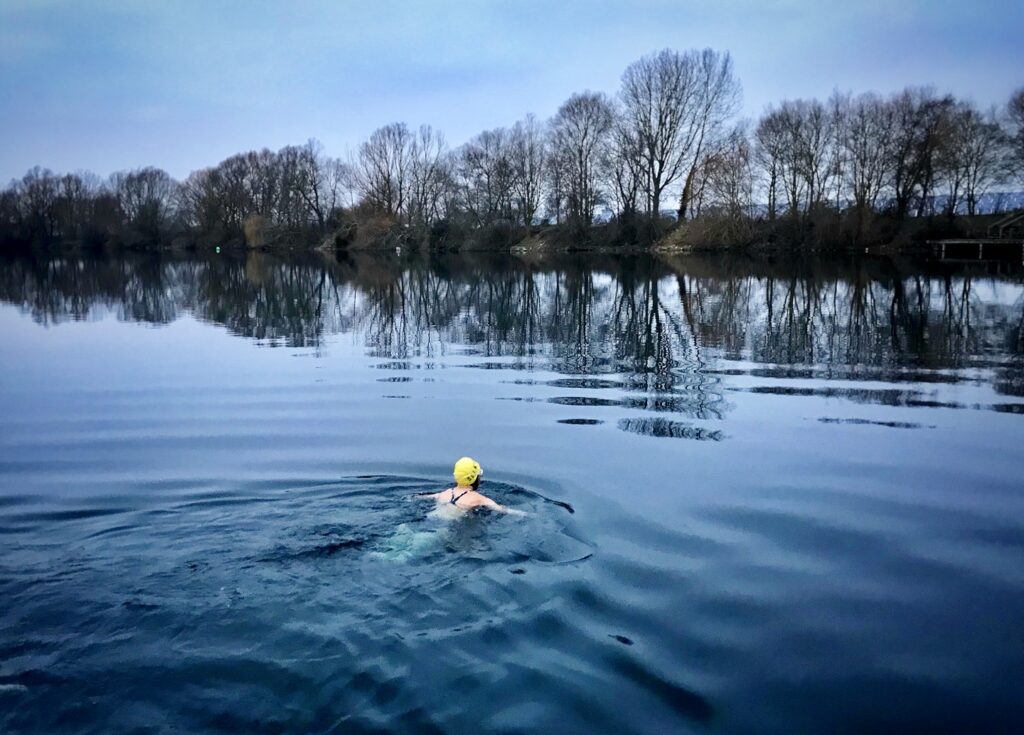
For many, winter swimming is the best form of exercise. And they are not wrong, as its benefits are many! It keeps the body in shape, improves the muscular system, posture, endurance, flexibility, as well as cardiovascular function. The body temperature remains normal, as swimming improves the distribution of oxygen in the body without causing it to suffer. Of course, contrary to what was previously said, it does not help bone density (weight exercises benefit the most osteoporosis), however it helps in other conditions. From longevity to improved metabolism, cold water appears, as scientific studies suggest, to cure all of it.
Winter swimming is believed to:
- strengthen the immune system
- improve blood circulation
- improve sleep quality
- increase energy levels
- reduce inflammation
- improve metabolic function
- improve the mood
Scientists say that exposure at the cold for a short time, using water or not, seems to prolong your life expectancy. Exposure to unpleasant low temperatures -key word is “uncomfortable”- seems to activate longevity genes that affect our survival response, a key factor to ensure that our DNA is repaired before new cells are created.
Study published in International Journal of Circumpolar Health, found that winter swimmers display:
- Increased resistance of the organism to the common cold
- Better musculoskeletal flexibility
- Anxiety elimination and mental well-being
- More fresh skin
- Better work performance
We must be careful
- Avoid winter swimming when it rains and when there seems to be a case of lightning, as well as when it blows south. The sea under such conditions is not at all predictable.
- Before we go in, we do a little warm up to activate the muscles. We can also do field jogging or a short jog. We never dive steeply into the water. It is better to fall with the back, so that the sternum does not feel the sharp change in temperature.
- We swim non-stop from 5 to 10 minutes, because as soon as the body comes in contact with cold water, it quickly loses its heat.
- We do not go far in the sea, because our body parts are much more prone to cramps in the cold.
- A good, indicative period to stay in the water is 15 to 20 minutes. However, for first swimmers, the winter dive should last just a few minutes (4 to 5).
- As soon as we get out, we thoroughly wipe our body and get dressed in warm clothes.