

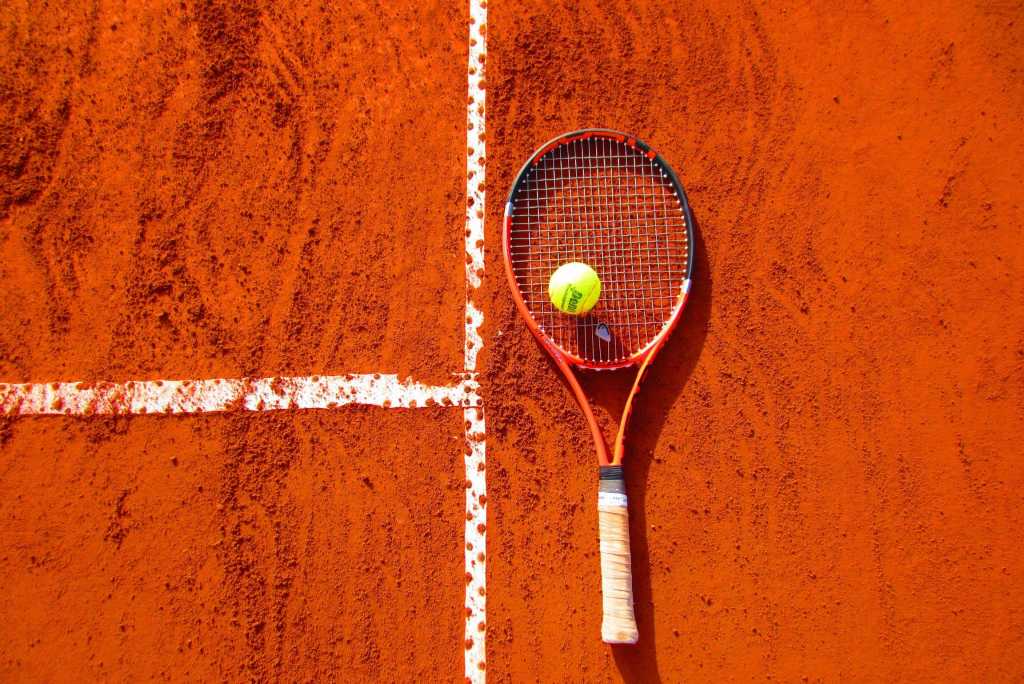
Tennis: Basic rules of the game
Since last month we have been watching Rolland Garros, Tsitsipas, Djokovic and Sakkari repeatably, tennis has started to rise more and more as a sport, attracting the youth’s interest – and not only – with a result that more and more people turning on playing tennis with their friends, family or other “opponents” daily for fun.
Where can the public play tennis?
Since tennis courts are not limited to who can attend them, they are open to both professional and amateur players as well as to the public who intend to get entertained throughout the game. Tennis courts are scattered throughout Greece, with each region having more than 2 tennis facilities and as major cities are concerned, in them numerous tennis courts exist. For example in Attica of Greece, with a visit to the southern suburbs we can see endless tennis facilities, in Kavouri, Glyfada, Elliniko, Alimos, Paleo Faliro, Piraeus and other areas of Attica, such as the center of Athens, Peristeri and in many others.
Who is tennis for?
Tennis aims on all age groups and more specifically on children, adolescents, adults and the elderly in moderation and with an adapted exercise program when it comes for different age groups.
Basic tennis rules
There are some basic rules for playing tennis without cheating and with no need of special knowledge required for this game.
- Players stand on opposite sides of the court. The player who performs the first hit is called the server and the player who returns the service is called the receiver.
- The choice of the field side and the right to serve or return the service to the first game is decided by drawing lots, which takes place before the players warm up.
- The server has two service attempts (one error allowed) on the same side.
- When the ball touches the net and bounces on the correct service court, the service is repeated. But if the ball bounces off the right serve court, then the serve is considered as a foul.
- When the receiver is not ready to return the ball, the service is repeated. If, however, the receiver tries to return the ball, it is considered that heis ready. If in some way the receiver indicates that he is not ready and the server performs service outside the service area limits, this error is not calculated.
- The courts’ switch(except for the first game of each set) is given a maximum of one minute time limit and thirty seconds from the moment that the ball stops at the end of the game, until the moment of the first kick of the ball for the first point of the next game.
- When the player obstructs the opponent with a certain action in the return of the ball, then, if it gets considered as it was done intentionally, he loses the point. If it was done without any intention, then the point is repeated again.
Now that you have the basic knowledge about the rules for playing tennis, what are you waiting for?
Become the next tennis coaching expert- exclusively on Base Training Katerina Zouganeli Source Grivas N. (2015). Tennis. Athens. Greek Academic Bookcase. Available online in: http://hdl.handle.net/11419/3771 Seminars Recent Articles